IDIOM Architecture |
  
|
IDIOM Architecture |
|
The IDIOM Decision Manager is composed of several components:
Component |
Description |
The IDIOM Decision Manager Client |
This tool is used by ‘decision designers’ to specify the decision making and the rules that lie beneath it. It is here that you build and test your repository of business rules. (The server side, in which the repository objects are managed, is known as the IDIOM Repository Server) |
The IDIOM Repository Server |
A local or cloud based Windows Service which provides persistence and administration support to the IDIOM Decision Manager repositories. The Repository Server is NOT required for running the IDIOM Decision Engine. |
The IDIOM Decision Engine |
This is an independent runtime component, which contains the business rules in the form of code generated from the rules repository. It is both a container for the rules and the engine that executes them. Enclosed in a thin variable communications interface, it is the component that provides the Decision Service by fulfilling the decision requests sent by applications when they need to apply the business rules. |
Table 1-2: Components of the IDIOM Decision Suite
Calls on the Decision Service always follow the same simple pattern - the application sends the Decision Engine a decision request containing all of the business data required as input to the decisions that are to be made. The Decision Engine then executes the appropriate business rules, stores the results in the decision request and returns the request to the application. The process is shown in Fig 1-2.
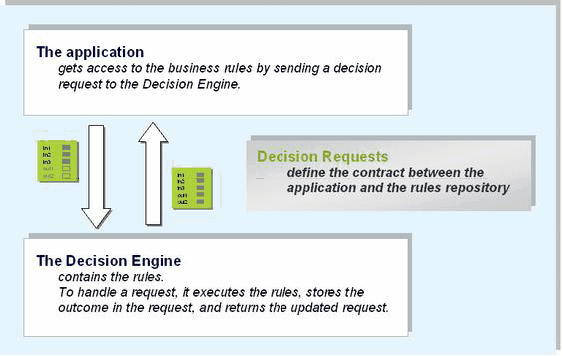
Figure 1-2: The Application Architecture using IDIOM
The IDIOM rules engine is a 'logic engine' that evaluates formulas in a predefined order. While it is a form of an inference engine, it does not use Artificial Intelligence techniques (induction, heuristic, RETE algorithm etc.) to decide which rules to execute or to infer conclusions from a database of facts. Nor does it, like other engines, execute continuously, firing rules in response to events. Instead, it provides a passive and stateless rules service that applications call.